


Before Margaritaville
Before he became the barefoot troubadour of Margaritaville, before millions of Parrotheads packed stadiums to chase the phantom of a lost shaker of salt, Jimmy Buffett was just a kid from the Gulf Coast.
Long before Key West claimed him as its patron saint, the story started somewhere much grittier, much closer to home, right on the edge of Mobile Bay.
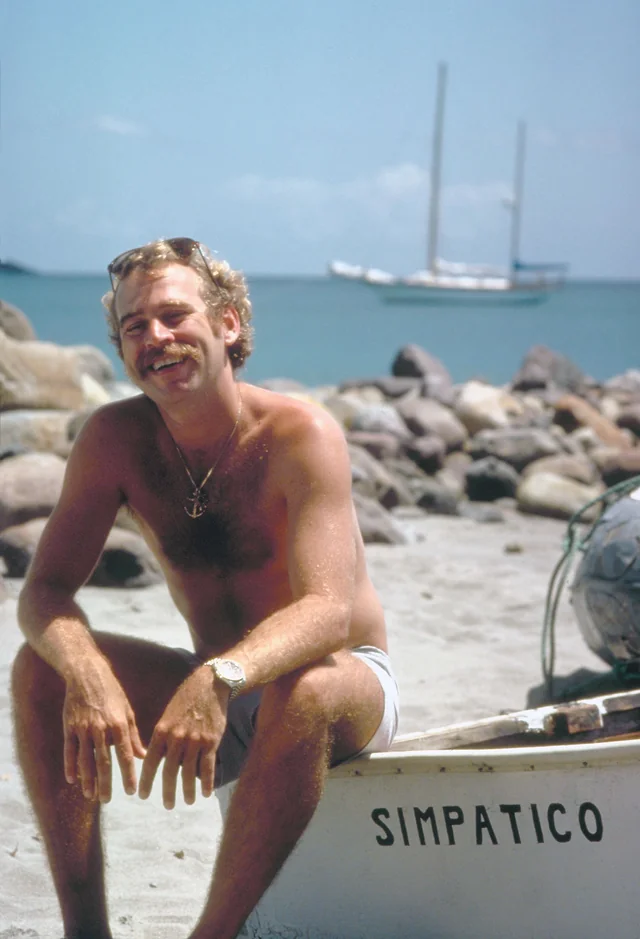
It was a landscape defined by the heavy, rhythmic heartbeat of the working waterfront: the broad expanse of the Mobile River, the towering cranes of the shipyards, and the salt-cured wind rolling off the water. Here, sailors worked grueling hours on steel vessels, and the water was a place of livelihood, distance, and unknown horizons.
Buffett’s bloodline was written into this very geography. He wasn’t just using a clever phrase when he sang about being a “Son of a Son of a Sailor“. His grandfather commanded steamships across open waters, his father engineered a life connected to the sea, and his family’s daily grind was tied directly to institutions like the Alabama Dry Dock and Shipbuilding Company.
Son of a Son of a Sailor
The family tree ran straight through salt water. Long before Jimmy picked up a guitar, his grandfather, James Delaney Buffett, commanded steamships across open international waters. He was a master of heavy vessels and unpredictable tides, a traditional sea captain whose authority was earned in the belly of large ships.
That maritime engineering bloodline passed directly to Jimmy’s father, J.D. Buffett Jr., whose work with the Army Corps of Engineers took him across continents, carrying him to distant ports in India and Africa before the family finally planted roots in Mobile. In the Buffett household, maps were not decorative items on a wall. They were real documents of departure and return.
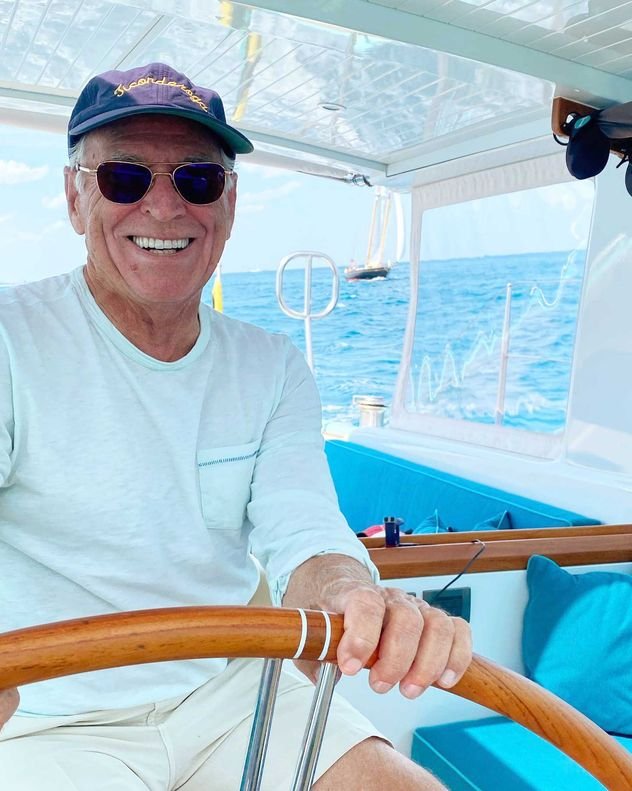
To a growing boy in post-war Mobile, those familial voyages transformed everyday ships into powerful psychological symbols. A vessel moored at the dock represented distance, absolute freedom, and an uncharted world existing far beyond the visible horizon.
When Buffett eventually recorded Son of a Son of a Sailor years later, the title functioned as a literal acknowledgment of his bloodline. The salty imagery permeating his finest songwriting, including the rigging, the compass, the steady pull of the tide, originated from generations of men who lived and worked on the water. That wanderlust was written into his DNA long before a single tropical chord was ever strummed.
Roots in the Classroom and the Long Road Before the Legend
For Jimmy Buffett, the rhythm of daily life was shaped by structured routine, church bells, and strict expectations. He attended St. Ignatius Catholic School and spent his early years serving as an altar boy, a disciplined upbringing that lasted right up until he reached age seventeen. By the time he walked the halls of McGill Institute, graduating with the class of 1964, he was a typical coastal teenager surrounded by the familiar sights of the Deep South. Yet, traditional paths were never going to contain him. Beneath the surface of his Catholic school education ran a restless curiosity, fueled by the local sounds spilling out of Mobile record shops and the endless temptation of the river.
If people prefer to imagine geniuses arriving fully formed, Buffett’s early adulthood shatters that illusion. His path was a mix of false starts, academic detours, and deep uncertainty. Enrolling at Auburn University in 1964, he quickly found himself disconnected from his classes, ultimately flunking out. Yet, the university provided one life-altering distraction: a fraternity brother’s guitar. Learning chords in fraternity house stairwells, Buffett discovered a natural ability to hold a crowd’s attention setting the foundation for his entire career.
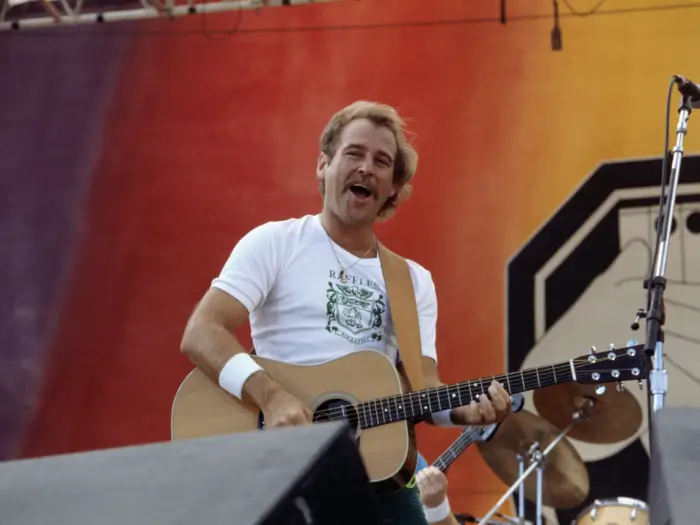
That first taste of music sent him pinballing through the educational map. He drifted to Pearl River Junior College before finally landing at the University of Southern Mississippi, where he managed to graduate with a history degree in 1969. But a diploma did not equal a destiny. Moving to Nashville with dreams of becoming a polished folk-country star, he found a cold reception. His early records sold poorly, the industry did not know what to make of him, and he eventually found himself working a grinding day job as a reporter for Billboard magazine just to pay rent. There was no grand red carpet waiting for him, and no one looking at the struggling young songwriter in a cramped apartment could have guessed he was destined for global fame. Those stumbling, uncertain years are precisely what grounded him, turning an ordinary kid from Mobile into a man who understood what it meant to search for a place he finally belonged.
Finding the World That Became His Music
When Buffett finally arrived in Key West in late 1971, hitching a ride in the back of Jerry Jeff Walker’s vintage 1947 Packard, he stepped into a raw, isolated island outpost closer to Cuba than to the American mainland. This was long before the resort hotels and sanitized cruise-ship docks arrived. Back then, Key West was a haven for commercial fishermen, treasure hunters, artists, and smugglers living on the absolute fringe of society. Playing for tips in open-air bars and swapping stories with characters who lived entirely outside conventional rules, Buffett found his true creative compass.
He began combining the storytelling roots of country music with Caribbean rhythms, folk instrumentation, and the rough-edged freedom of the Gulf Coast. This synthesis became known as “Gulf and Western”, not just a marketing label, but a musical translation of a wandering lifestyle. He was singing about real people navigating real heartbreaks and small triumphs under a tropical sun, turning ordinary dockside observations into modern folk poetry.
When Margaritaville was released in 1977, it tapped into a profound collective exhaustion hiding underneath modern working life. Millions of ordinary people heard that song and felt an immediate permission slip to exhale. The track evolved past radio airplay to become an entire philosophy, creating a sprawling community of Parrotheads who sought out friendship, humor, and a shared yearning for escape.
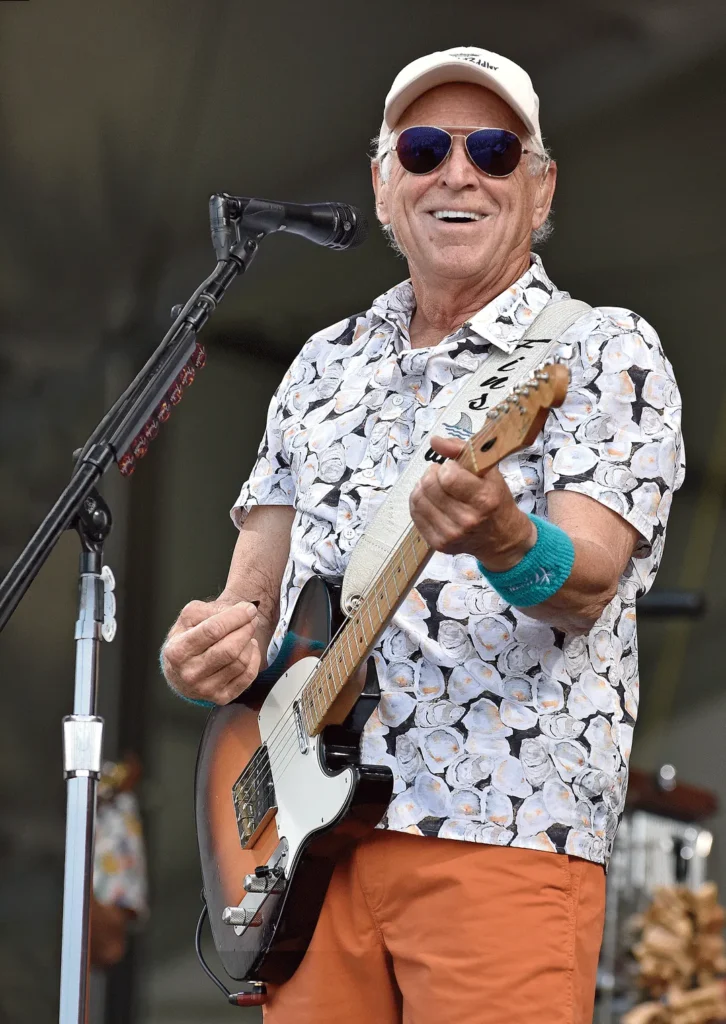
It proved that people were searching for a space where they could drop the heavy armor of adult responsibility and remember what it felt like to simply breathe.
The Businessman Behind the Beach Bum and More Than Music
There is a brilliant paradox hiding at the center of Jimmy Buffett’s legacy. For decades, he sang the gospel of escaping the rat race, encouraging millions to drop their work, kick off their shoes, and lose themselves in a tropical daydream. Yet, the man singing those lyrics was a powerhouse of modern enterprise.
As documented in business profiles by Forbes, Buffett turned a carefree lifestyle identity into a massive economic engine. What started in 1985 as a promotional side business selling t-shirts and concert merchandise evolved step by step into a multi-tiered empire. He retained a 28 percent stake in Margaritaville Holdings while building a commercial ecosystem spanning global hospitality groups, vacation resorts, restaurants, residential communities, and product lines ranging from footwear to tequila. Backed by an estimated $570 million earned across five decades of touring and recording alongside a massive music catalog, Buffett mastered the rare art of translating a cultural mood into protected intellectual property.
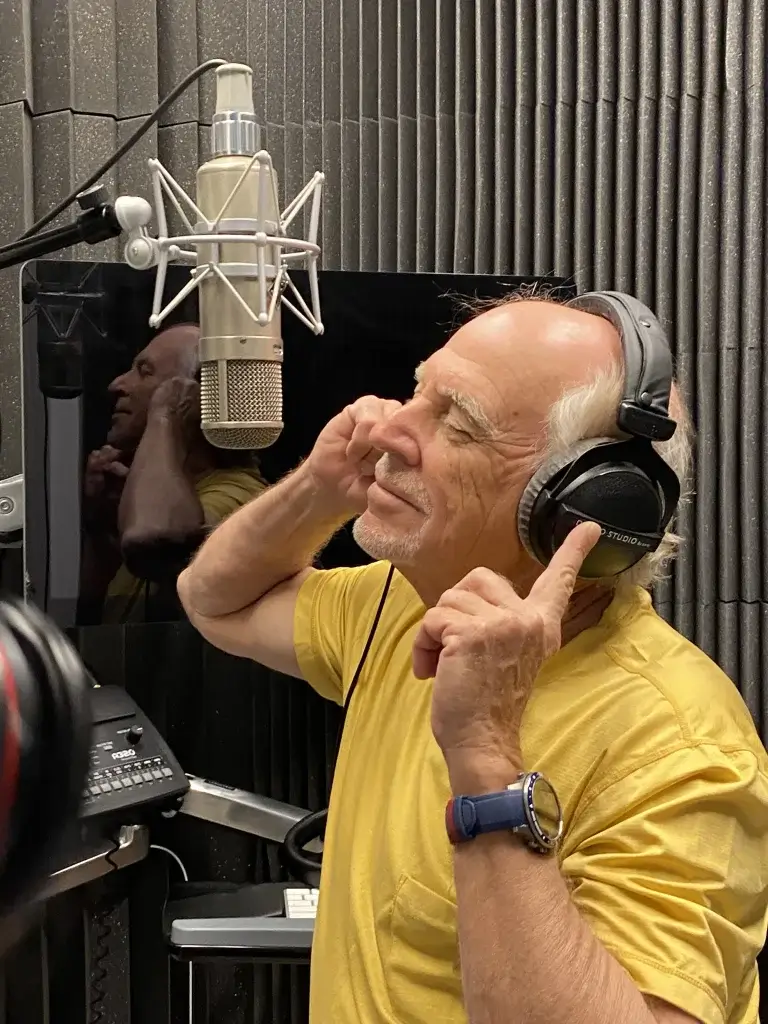
That sharp operational instinct was matched by an insatiable curiosity that refused to stay confined to a recording studio. As curated by the permanent exhibition at the National Maritime Museum of the Gulf, Buffett’s life stretched far beyond the stage. The museum archives present him across multiple distinct dimensions: as a New York Times bestselling author of sharp fiction, an instrument-rated pilot who flew his own aircraft across unpredictable routes, a dedicated sailor, an adventurer, and a quiet philanthropist. He lived a remarkably multifaceted life, proving that his true creation was a blueprint for how a curious human being could explore the world on their own terms.
The Gulf That Stayed, The Final Stage, and Coming Home
The map of Jimmy Buffett’s life features countless coordinates, Key West bars, Manhattan recording studios, French Polynesian islands, and Caribbean anchorages. Yet, no matter how far he drifted, the acoustic gravity of the Gulf Coast remained permanently fixed in his center. Long before he sang about trade winds and maritime escapes, the basic vocabulary of his imagination was written along the shoreline of Mobile, Alabama, and the waters of Mississippi.
That connection was physical and unyielding. The National Maritime Museum of the Gulf sits directly on Mobile’s waterfront, positioned just across the Mobile River from the historic site of the Alabama Dry Dock and Shipbuilding Company, where Buffett’s parents once worked. His grandfather commanded steamships across open international waters, embedding a generational sea-faring rhythm into the family bloodline. For a young boy staring out toward the shipping lanes, those waters represented absolute freedom and an uncharted world existing beyond the visible horizon. Decades later, the man whose entire public identity revolved around what might exist past the sunset had simply spent his life returning to the compass points of his childhood.
When illness ultimately caught up with him in September 2023 at the age of seventy-six, it brought an end to an extraordinary physical journey, but it did little to quiet the culture he left behind. His final years were defined by an unbroken, relentless devotion to touring and sharing music with crowds who treated every concert like a family reunion. His passing generated an overwhelming public reaction across the globe, proving that millions of people consumed his art and relied on it as an emotional sanctuary. The inevitable question following his death was whether the world he created could survive without him. The answer, visible in the sprawling community of fans who still seek out friendship, humor, and a slower breath, is that the philosophy he championed was never just about a single man. It was a shared state of mind.
Now, that journey circles back to its source. On September 12, 2026, the National Maritime Museum of the Gulf opens the permanent Jimmy Buffett: Son of a Son of a Sailor Experience. Spanning 6,000 square feet across two levels, the installation brings together over 130 rare artifacts, personal scrapbooks, an immersive concert theater, and a faithful recreation of his Key West recording studio, Shrimp Boat Sound. Opening weekend features gatherings like the Margaritas and Memories performance with Mac McAnally and Scotty Emerick at the historic Saenger Theatre, alongside the unveiling of a striking bronze sculpture of Buffett along the waterfront.
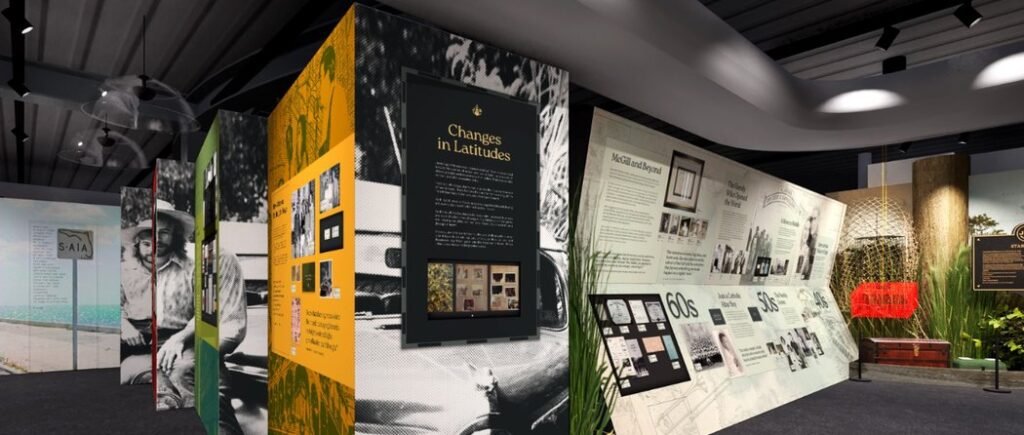
Yet, this installation resists the temptations of a conventional celebrity attraction. Why Mobile? The answer lies in everything this story has built. Jimmy Buffett traveled around the world and constructed an imaginary destination that millions of people wanted to visit. But long before Margaritaville became a global landmark, the Gulf Coast gave its creator a place from which to dream.
Now, his artifacts, notes, and memories are returning to a museum sitting right beside the same Mobile River that shaped his earliest curiosities. That simple geography gives the exhibit a profound emotional meaning that transcends museum displays or memorabilia. It is a true homecoming.
