


The walk home from school to the front porch should be a time for students to unwind, not worry about their safety. But for many families across District 1, ensuring students can travel home safely requires more than conventional traffic measures—it takes the entire community.
In an effort to address these concerns, Councilman Cory Penn and other Mobile leaders are mobilizing the community behind the “Safe Passage” program, a targeted initiative designed to secure the corridors students travel after the bell rings.
Driven by the motto, “Safe Routes. Strong Schools. Bright Futures,” the program aims to build a protective network that relies on the active participation of the people who live and work along these routes. To outline the program’s framework and detail how locals can take ownership of their streets, residents, parents, and business leaders gathered Tuesday, September 29, at Franklin Street Baptist Church in Toulminville.
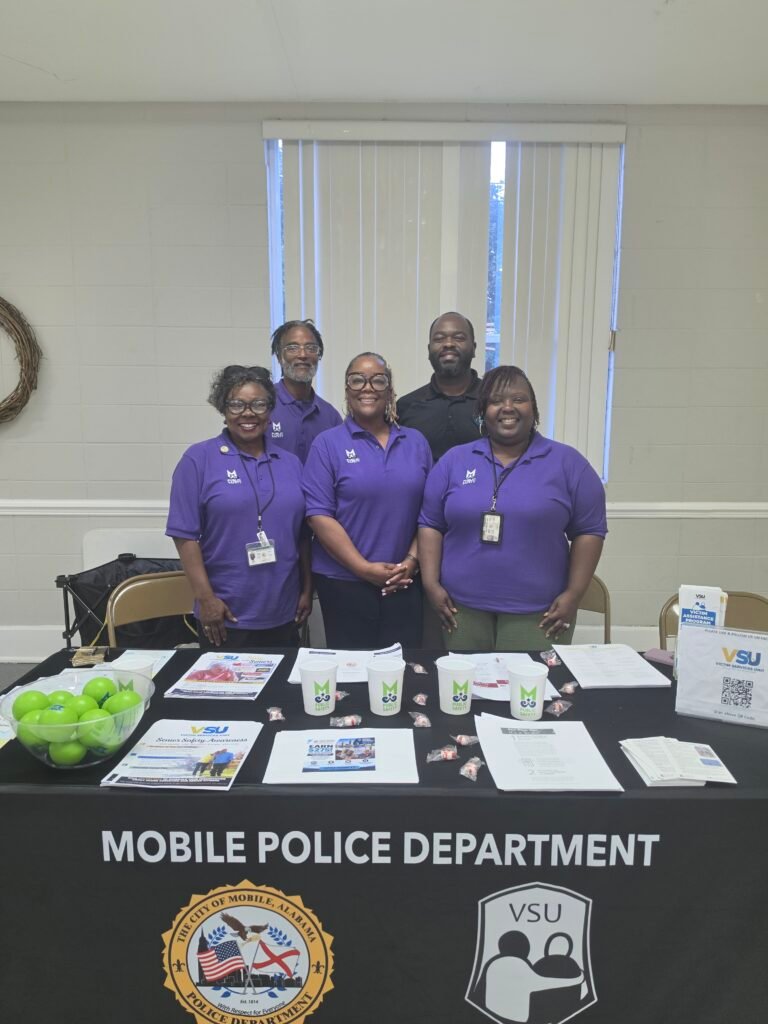
The Tuesday night meeting brought together a broad coalition of city leaders, law enforcement, and outreach specialists to address the community. The panel steering the initiative’s rollout included:
- Dr. Kendall Young, City of Mobile Homeless Outreach Coordinator
- Cory Penn, District 1 City Councilman
- Shadrack Collins, Superintendent of Recreation for the Mobile Parks and Recreation Department (MPRD)
- Phelon Carter, Breakthrough Teens Mentor, MPRD
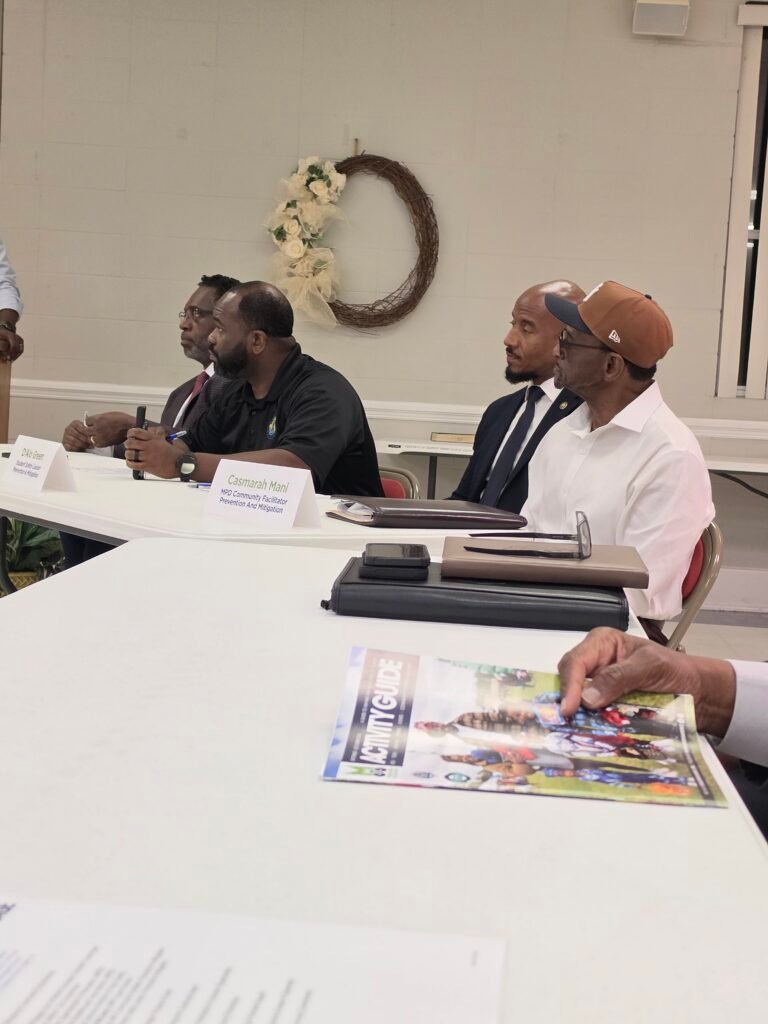
- Curtis Graves, Executive Director of Public Safety
- Sgt. Nathaniel McCarty, MPD Cyber Division
- Casmarah Mani, MPD Community Facilitator, Prevention & Mitigation
- D’Alo Green, Student Safety Liaison, Prevention & Mitigation

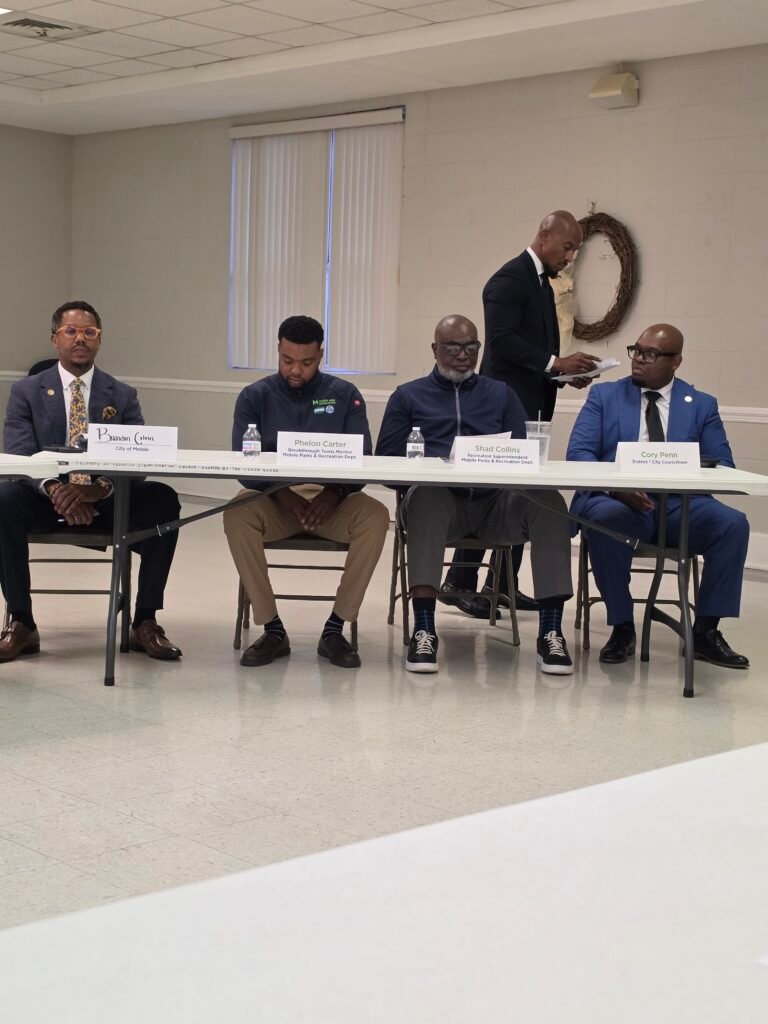
At the heart of the initiative is a call for unity and a return to neighborhood-led supervision. As Brandon Colvin, the city’s Director of Community Affairs, explained during the initiative’s rollout, “The city can’t do it by themselves. We are a stronger army if we come together and work together”.
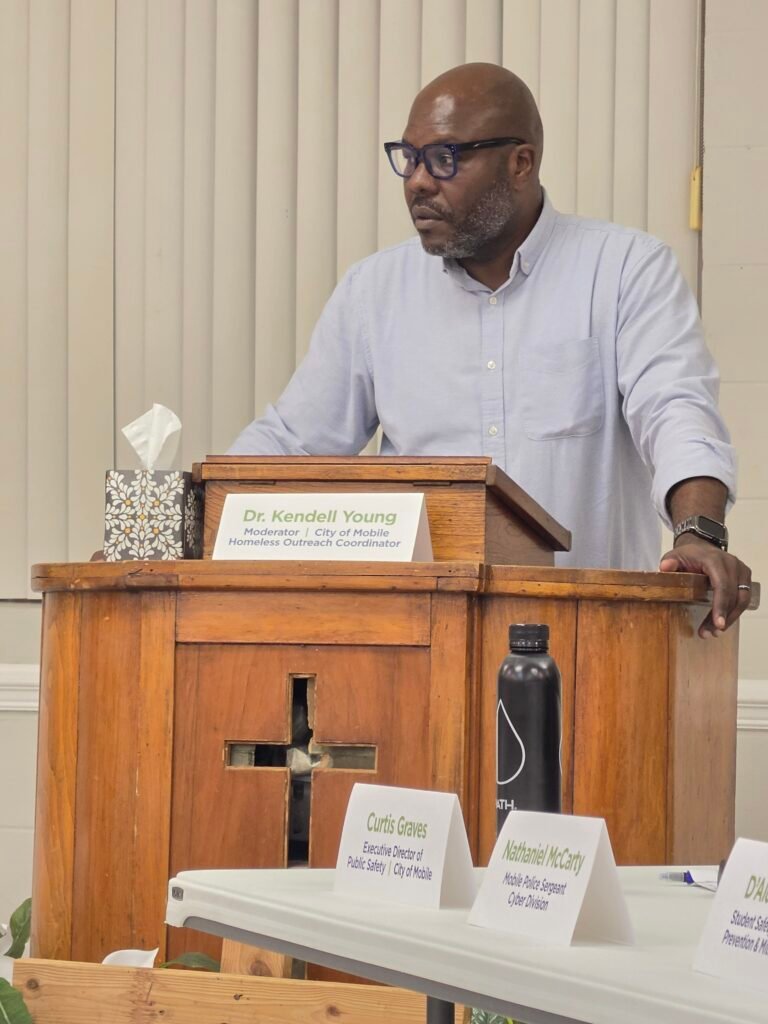
The program’s initiative organizers point to a troubling psychological reality for many students: the walk home is often fraught with anxiety rather than relief. Colvin noted that youth in the community frequently find themselves “hyper-vigilant” and “always waiting for something to happen”.
“When I’m waiting for something to happen, it puts me in a state of mind that requires me to be almost combative, or ready to be combative if necessary,” Colvin said. “That is not productive, it’s not healthy, and it leads to conflict”.
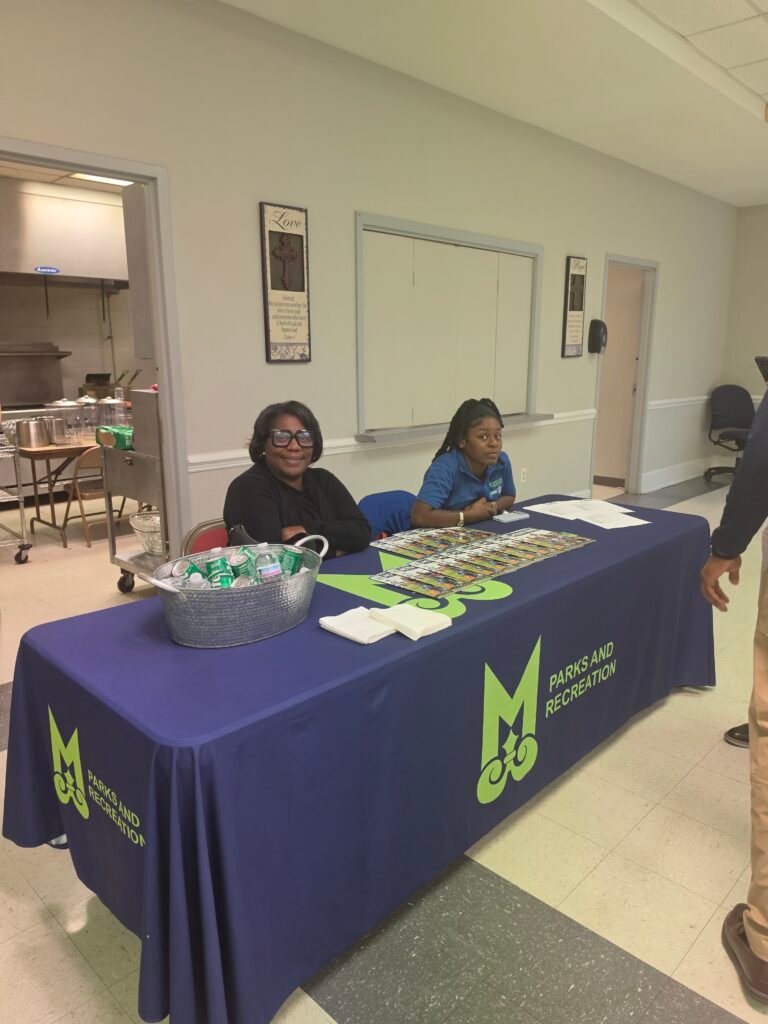
To combat this, Safe Passage relies on a simple but profound commitment from local residents, faith-based organizations, and businesses: everyday presence. Organizers are asking volunteers to dedicate just 30 minutes of their day—starting around 2:15 p.m. when schools dismiss—to stand along designated student routes. The goal isn’t to act as law enforcement, but to provide a visible, approachable buffer that naturally de-escalates tension.
“Thirty minutes of your time, just step out the door and sit on the porch,” urged Shadrack Collins, Superintendent of Mobile Parks and Recreation. “If they see you every day on that porch… that’s going to be that safe space”.
Collins emphasized that simply standing along these pathways allows adults to “develop relationships” and step in with guidance before disagreements escalate.
For Councilman Cory Penn, the initiative is about reclaiming the culture of the community and bridging a growing generational divide.
“You remember that time when you knew your neighbors,” Penn reflected. “Now we’re kind of afraid sometimes to say something to the young people. But I think we got to get back into that conversation”.
The stakes of those conversations are incredibly high. Curtis Graves, Executive Director of Public Safety, underscored the real-world dangers students face when they feel unprotected on their own streets. He recounted a previous incident involving a local high school student who was arrested for carrying a firearm.
“He gave no resistance in us getting the firearm from him,” Graves shared. “He shared with me that he was having conflict with someone in the community and he had to walk past their home to and from school”.
Graves described the tragic irony of the situation as “the true definition of a victim now being deemed as a perpetrator,” highlighting exactly why a safe, supervised route is critical to keeping kids out of the justice system and out of harm’s way.
Ultimately, Safe Passage seeks to bring law enforcement, city resources, and neighborhood residents together around a shared responsibility: ensuring students can travel home without fear.
For Dr. Kendall Young, the initiative’s success begins with something simple—not a policy or a new enforcement strategy, but a willingness to participate:
“We know we live in a culture today where a lot is going on in our streets… But it’s time for us to come off the sidelines and start doing something about this situation. And the first start to doing that is seriously what you did tonight. That is to show up.”
For volunteer information, email D’Alo Green, dalo.green@cityofmobile.gov, or follow the City of Mobile Facebook Page for updates on how you can get involved.