


“History, despite its wrenching pain, cannot be unlived; but if faced with courage, need not be lived again.”
When those words by Maya Angelou were chosen to anchor Mobile’s civil rights timeline, they weren’t meant to just sit quietly on a gallery wall. They were a reminder that down here in south Alabama, keeping your rights intact is a daily, hands-on job. It takes community memory, and more than anything, it takes an organized plan.
You can see that plan in the heavy brass of a newly unveiled plaque over at Commonwealth National Bank on St. Stephens Road. It honors the late Major General J. Gary Cooper, a homegrown Mobile hero, trailblazing Marine, and diplomat.
On Sunday, November 1, people from all over Mobile County are going to put on their best clothes and walk into Calirojae on Dauphin Island Parkway. There will be pressed tablecloths, formal suits, and a lot of handshakes. To an outsider, it probably looks like just another pleasant weekend gala.
This is the annual Mobile County NAACP Freedom Fund Awards Banquet.

To understand why a crowded ballroom on a Sunday evening matters so much, you have to look past the county line to where the national network began.
“Well, as far as the Freedom Fund, we have to look back,” says Robert Clopton Sr., President of the Mobile County NAACP. “It’s not necessarily a Mobile event; it is an event that is shared by over 2,200 branches of the NAACP.”

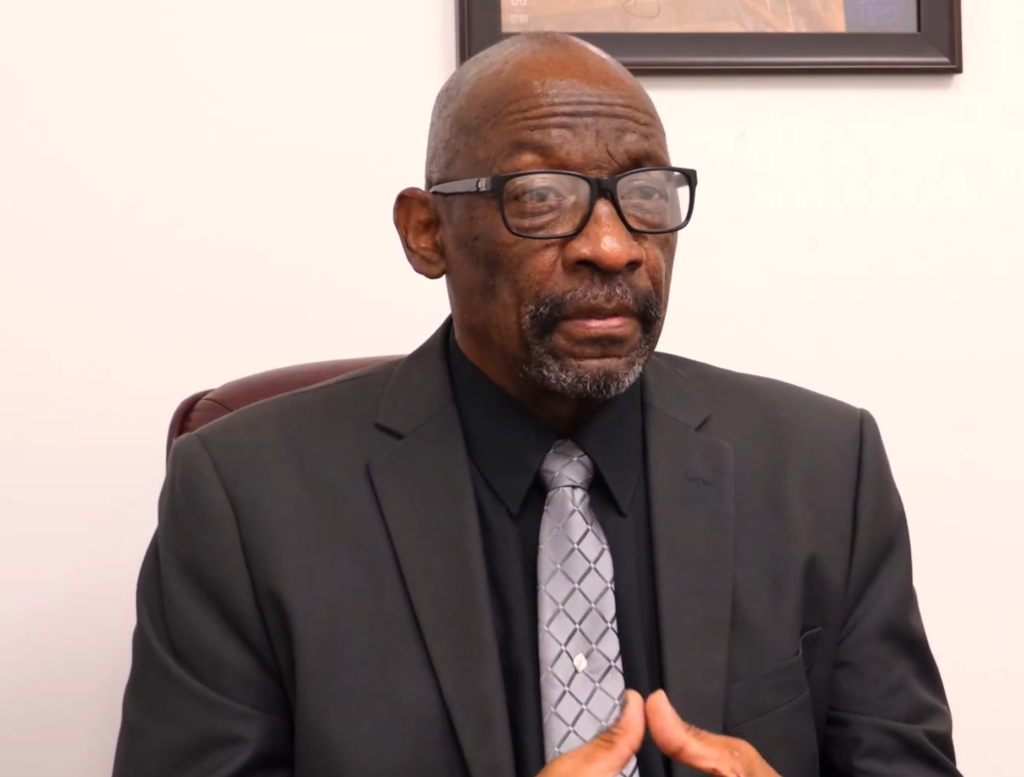
As he explains it, the Freedom Fund kicked off in 1953 on a national level as a temporary, ten-year sprint to completely wipe out institutional segregation by the centennial of the Emancipation Proclamation. The bold slogan back then was “Free by ’63”. But history had other plans. In the summer of 1963, a sniper assassinated Mississippi Field Secretary Medgar Evers in his own driveway.
“It was decided by the national convention that the Freedom Fund would continue until justice is secure for all people,” Clopton notes. “So therefore, 70-plus years later, the Freedom Fund still exists.”
Down here in Mobile, that permanent national mandate took on a completely unique local life. Mobile Branch #5044 was first chartered away back in 1919 and rechartered in 1926 under pioneers like John L. LeFlore. But by 1956, white supremacists in Montgomery used state laws to outlaw the NAACP entirely across Alabama. Local activists refused to just quit and go home. Instead, they kept the flame alive by setting up the Non-Partisan Voters League to run voter drives and handle civil rights complaints under a different name. When the courts finally cleared the path for the NAACP to return to Alabama in September 1964, the Mobile branch picked right back up, using the annual banquet model to make sure the local community could fund its own survival.

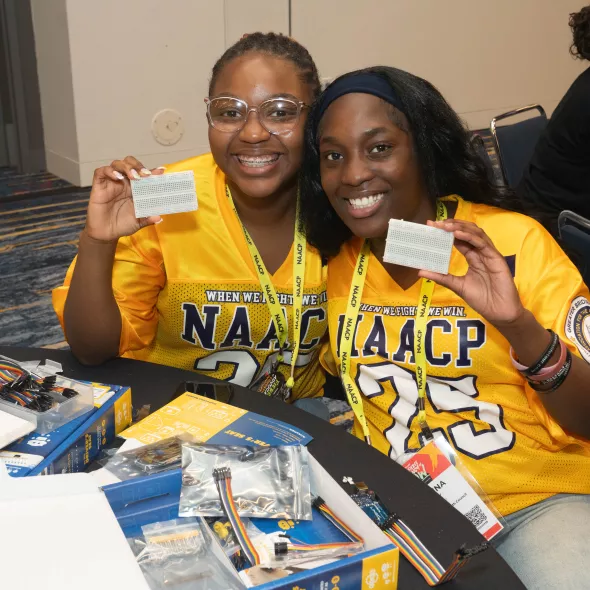
That legacy brings a massive amount of weight to the modern organization. Outside of basic membership dues, this annual event brings in virtually all the money the branch uses to fund its daily operations.
“What I want people to understand,” says the Mobile NAACP branch President, “is that the Freedom Fund is more than just about the banquet. It is actually the fuel that feeds advocacy… It makes everything possible, really everything.”
As Clopton elaborates, that fuel keeps a year-round engine running, “What matters to the NAACP is a strong neighborhood. What matters to the NAACP is equity and equality. What matters to the NAACP is strong schools… We advocate for the voiceless. Every day someone comes to us, and the stories are different, but we provide any assistance within our means that we can, because we are their last call.”
That “last call” isn’t a metaphor. In Mobile County, that fund is the exact reason why the branch can adopt three local public schools and give them resources when they call for help. It’s how they buy heavy blankets for unhoused neighbors when a bitter winter chill hits the coast, and how they provide immediate support for women escaping crisis situations at local shelters. It pays for local scholarships and keeps an independent legal redress line open.
The doors to Calirojae open exactly forty-eight hours before Mobile County heads to the ballot box on Tuesday morning, November 3, 2026.
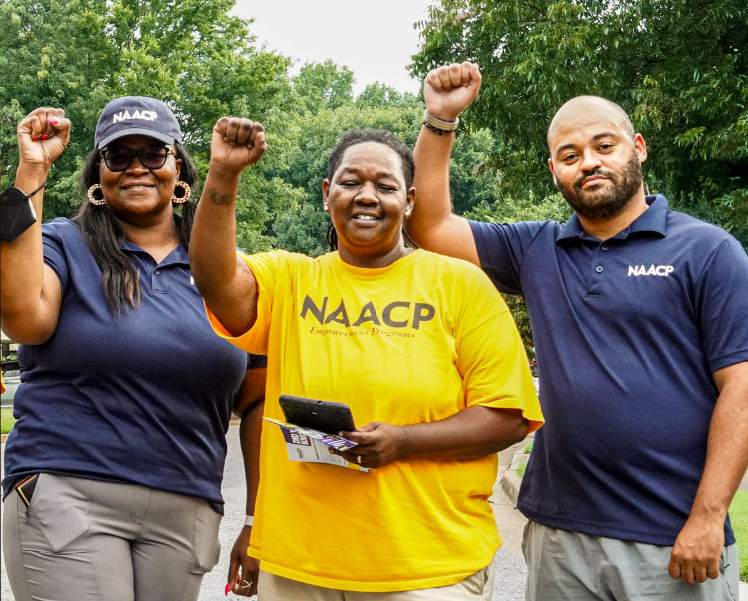
Organizers deliberately chose the 2026 theme: “The Ballot Is Our Power: Reclaiming Democracy in Challenging Times.” It’s a sharp change from last year’s focus on urban momentum and economic pathways. This year, the message is purely about survival at the polls. It ties directly into the active, ground-level field work local teams are doing every week, like the “Dialing for Democracy” Zoom phone banks and the neighborhood door-knocking drives leaving from Bethel AME Church on Savannah Street.

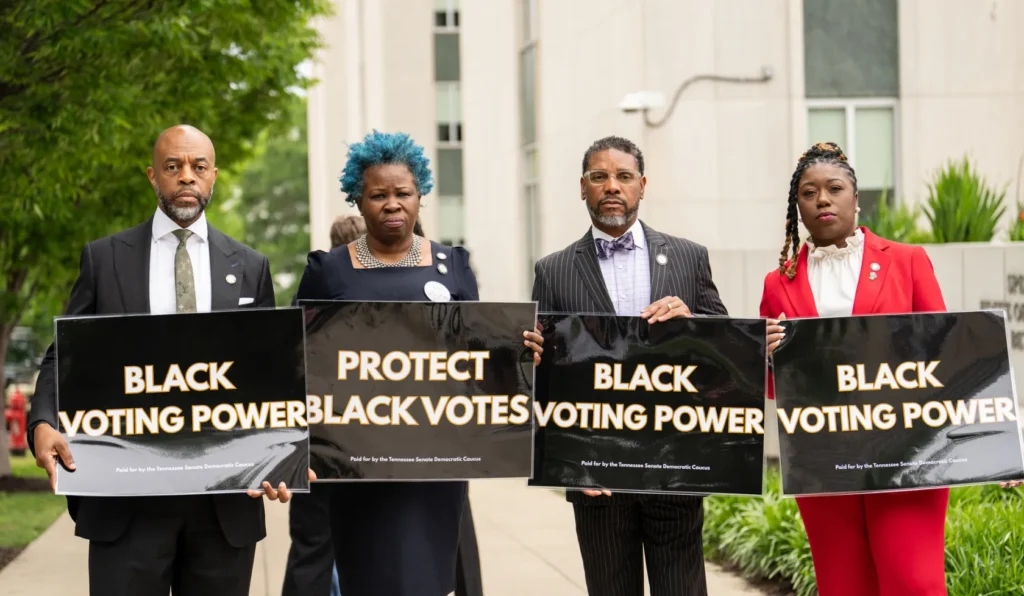
For Clopton and his committee, the urgency stems from a public square filled with confusion, division, and an ongoing series of structural challenges to minority voting rights. From the old fallout of Shelby County v. Holder right up to the recent federal map fights in Louisiana v. Callais.
“We want to reiterate to our society… and we are very intentional with the theme, strategic.. that the vote is power,” Clopton says. “Your vote is power; your vote is your advocacy. Your vote is your strength to provide strength to your communities.”
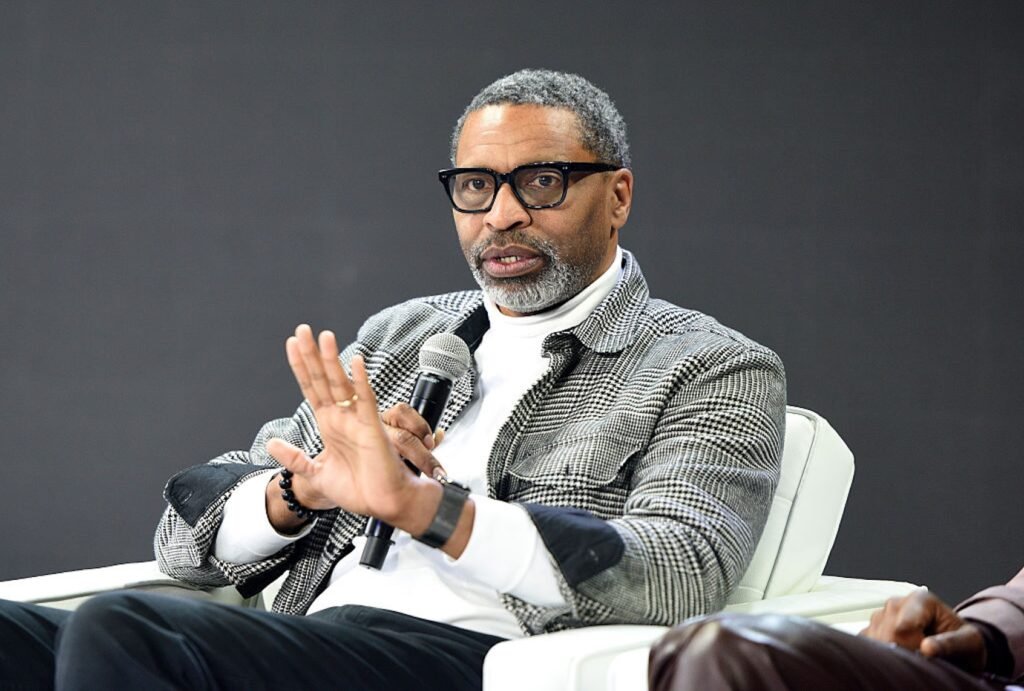
It’s a local echo of a larger national warning issued by NAACP President Derrick Johnson, who recently reminded voters across the country that not voting doesn’t punish underperforming politicians, it simply surrenders your community power.
As Johnson put it, “Elected officials don’t have power on their own; they borrow it from us, and Election Day is when we decide who gets to borrow it next.”

To drive that point home, this year’s keynote speaker is Mobile County Commissioner Merceria Ludgood. Her presence in the room connects the dots of Mobile’s modern history. Long before she took office in District 1, Ludgood was a young lawyer co-chairing local police advisory groups in 1982 to fight for fair promotions and better community relations. In 1987, she partnered on the legal team that won a historic, multi-million-dollar civil judgment against the United Klans of America, bankrupting the organization after the murder of Michael Donald on Herndon Avenue. She is a living participant in the exact local defense system the banquet funds.
The evening also serves as the formal stage for the branch’s highest local honors, including the Major General J. Gary Cooper Legacy Award Plaque. Alongside the Cooper Award, the branch will present the Robert and Mary Walker Award, the President’s Award, and the Lynn Mitchell Award; recognizing a female police captain whose administrative career left a lasting mark on the sheriff’s department. Each honor is strictly stripped of selfish ambition, designed instead to uplift the quiet, multi-generational advocates who work day in and day out to make Mobile County strong.
The success of the night isn’t measured by how many tickets were sold, but by what happens forty-eight hours later when the polls open across the county.
“We hope everyone is inspired, energized, and making an intentional decision to become engaged in the political process. We are nonpartisan, however, we are political,” Clopton says, looking toward Tuesday morning, November 3, 2026. “The Freedom Fund banquet happens two or three days before the election. That was a strategic move to get people ignited, engaged, fired up, and ready to vote.”
UpLift Mobile is a Legacy Sponsor and Official Media Partner of the 2026 Mobile County NAACP Freedom Fund Awards Program.