


A quick glance at recent news will give plenty of examples of how ‘Flock’ or Automatic License Plate Readers (ALPR) are a huge topic. Whether you are for or against them, they are becoming more common on city streets and businesses across the country. They are even popping up all over Mobile. There are around 80 of them in Mobile County at last count.
Eye on the Streets
An ALPR camera photographs a passing vehicle and uses optical character recognition to extract its plate. Each read records the plate, time, location, and usually a vehicle fingerprint describing make, color, body type, and distinguishing features of a vehicle. This includes things like bumper stickers, dents, and other characteristics of individual vehicles.

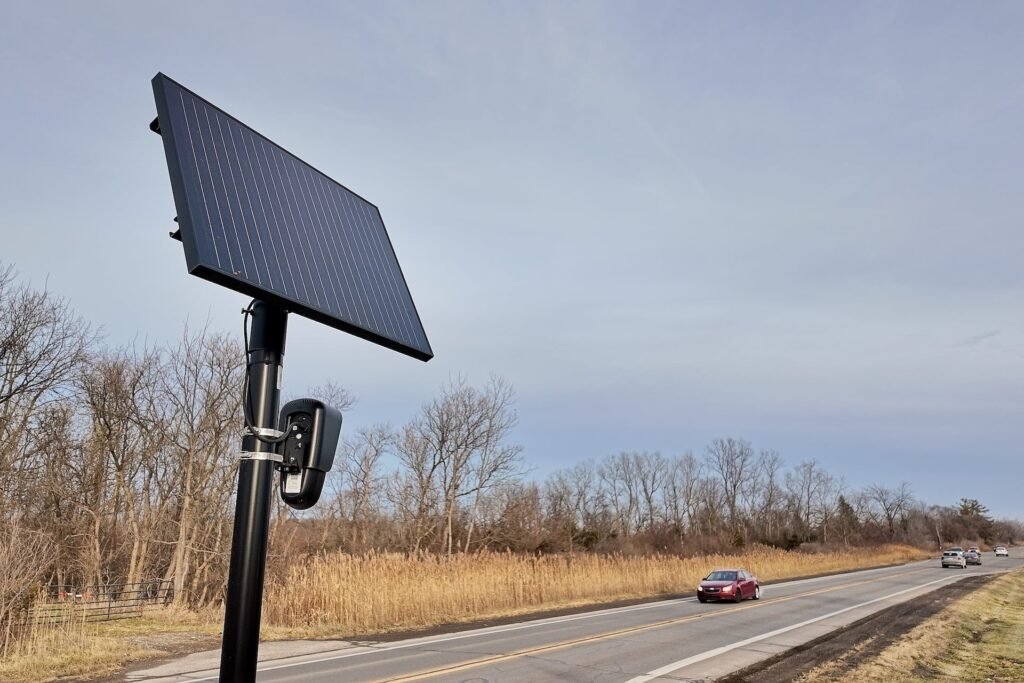
These cameras produce massive databases of everything that passes by them, including pedestrians. They can be used to record our driving habits, the places we visit, the meetings we attend. Over time, this can become detailed maps of everything we do.
Who Owns the Data?
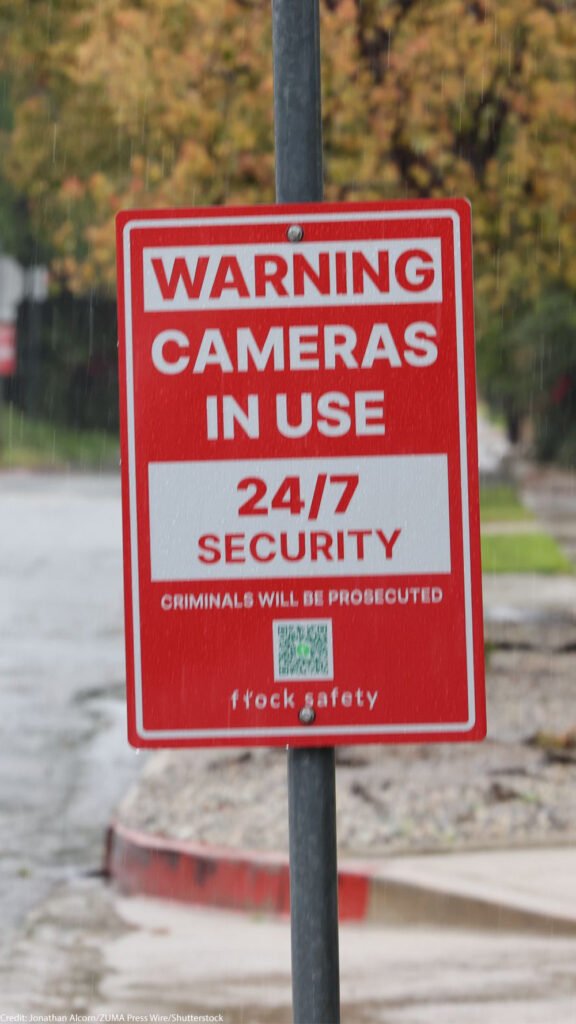
Flock Safety is one company providing these cameras, the most popular by far, but there are several more companies producing similar technology. The difference with Flock branded cameras is the way their subscription plans work, as well as the AI they use. It is essentially an AI search engine for police, businesses and private users to have at their disposal. This has given them a dominant edge in the surveillance market.
According to Flock’s FAQ page, “Customer data is encrypted, stored for 30 days (or customer-defined retention periods), and never sold or shared with third parties for marketing, advertising, traffic enforcement, or repossession purposes,” and that “private customers choose whether to share footage with local police agencies and that outside third parties cannot access data without explicit customer authorization”.

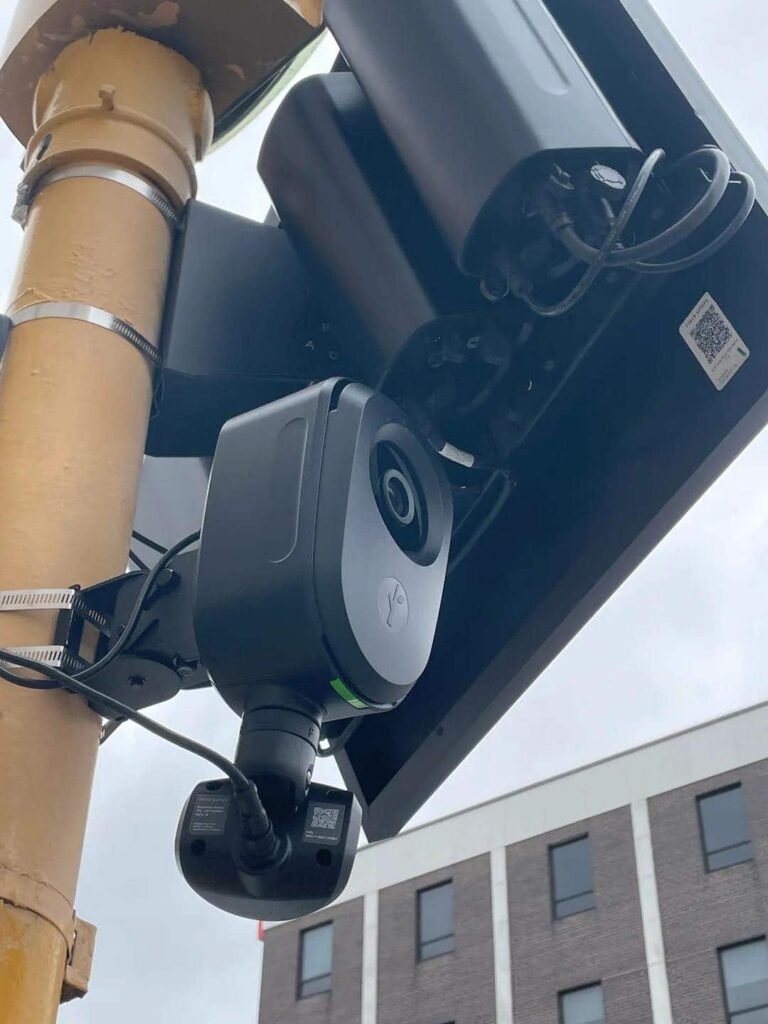
Other surveillance companies such as Axon claim to only store the information for 7 days. Although there is not yet current Federal legislation governing how long the data may be stored, Alabama Administrative Code states: “The State LPR Registry shall maintain data and its dissemination logs for five years” unless there is an active investigation. Clearly, legislation is lagging behind the technology.
When Surveillance Meets Abuse
The Institute for Justice highlighted these systemic privacy concerns:
“Companies like Flock Safety have now blanketed thousands of communities with ALPRs, quietly assembling powerful mass surveillance systems that can reconstruct where people have been, when, and how often, all without a warrant”.
In one case, a Lufkin, TX officer was indicted on 100 felony counts of misuse of official information. He ran over 45,000 unauthorized Flock searches in less than a year. He looked up one particular license plate nearly 3,500 times. In at least 50 other cases, officers have been charged or accused of stalking wives and girlfriends. Some of these cases have resulted in cancellation of Flock subscriptions due to the as yet unregulated potential for abuse by law enforcement.
Does Mass Tracking Actually Stop Crime?
The intensity surrounding this debate is not only centered around data collection and mass surveillance. It is also about crime prevention. Is this technology really preventing crime?
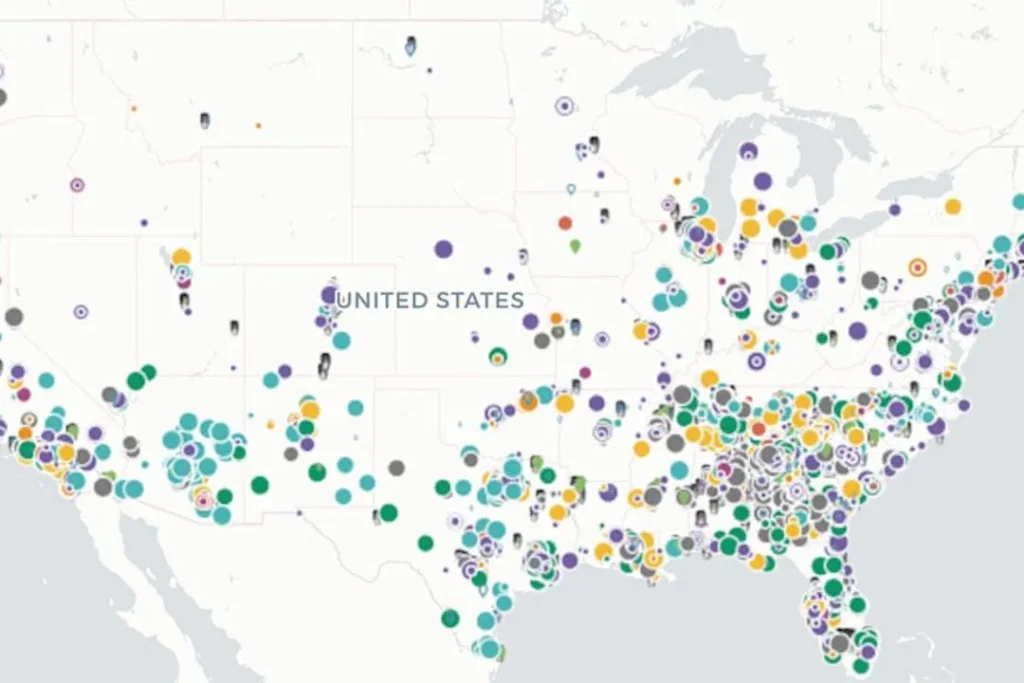
The short answer is a modest yes, there has been a reduction in auto theft, and an increase in post-crime arrests. According to statistics in jurisdictions using ALPRs, auto theft fell 11% from 2017 to 2023, while property crime saw no real reduction across the US.
This leaves room to question the rest of our information in the Flock database.
Constitutional Rights and Local Action
The Fourth Amendment protects us from this type of warrantless surveillance:
“The right of the people to be secure in their persons, houses, papers, and effects, against unreasonable searches and seizures, shall not be violated, and no Warrants shall issue, but upon probable cause, supported by Oath or affirmation, and particularly describing the place to be searched, and the persons or things to be seized.”

The general consensus is that our license plates are public information since they are displayed openly on our vehicles. This may have been true up until the technology allowed for private companies to store this data, and police jurisdictions having access to it without a warrant. There will surely be a debate about nationwide, persistent tracking. For further reading on similar US Supreme Court decisions concerning GPS and cell phone tower tracking, you can go here and here. These decisions certainly fall into the same category as ALPR technology.
As ALPR networks continue to expand, the central question remains: when will legislative oversight and safeguards catch up to this rapidly growing surveillance market?